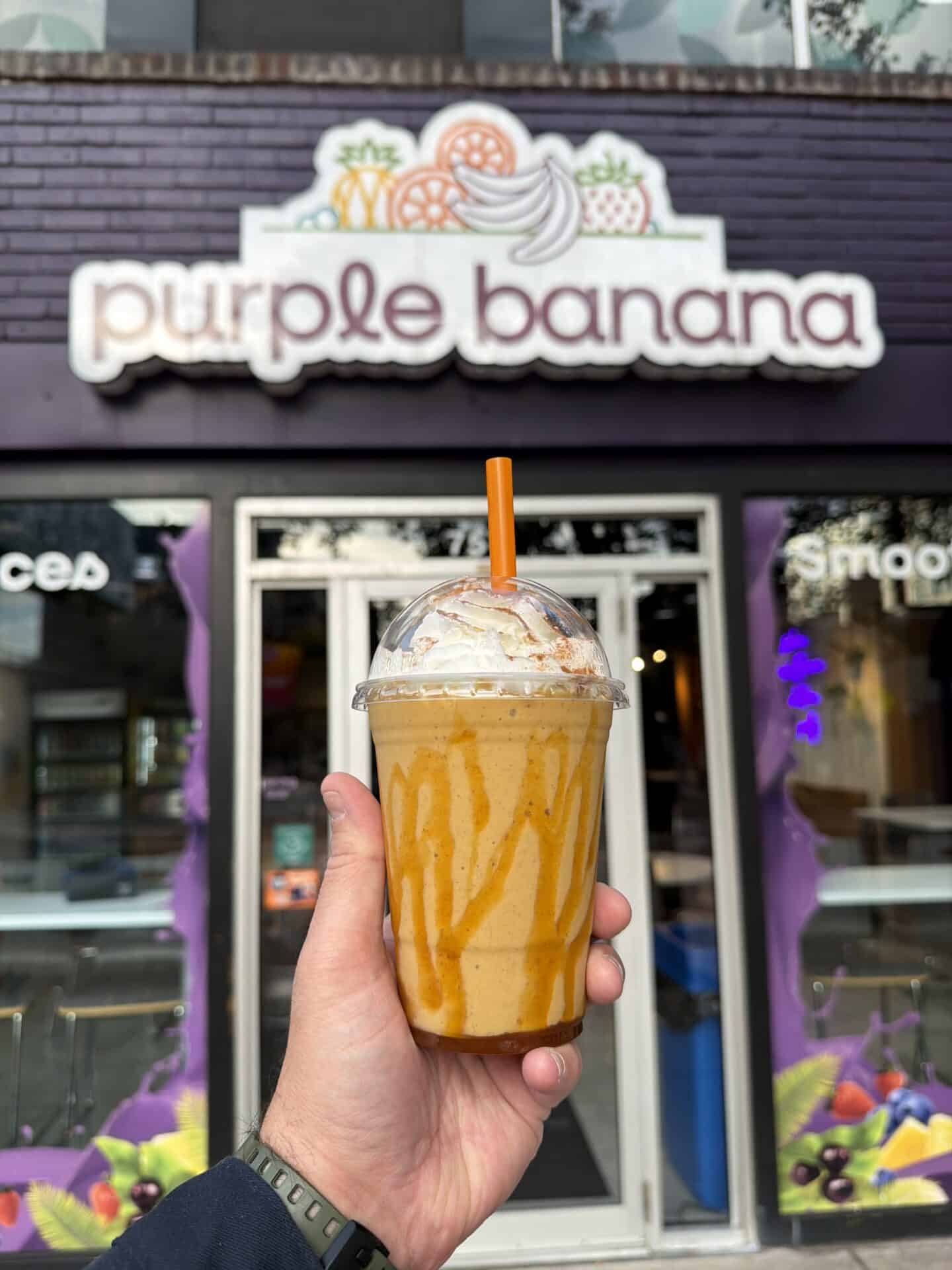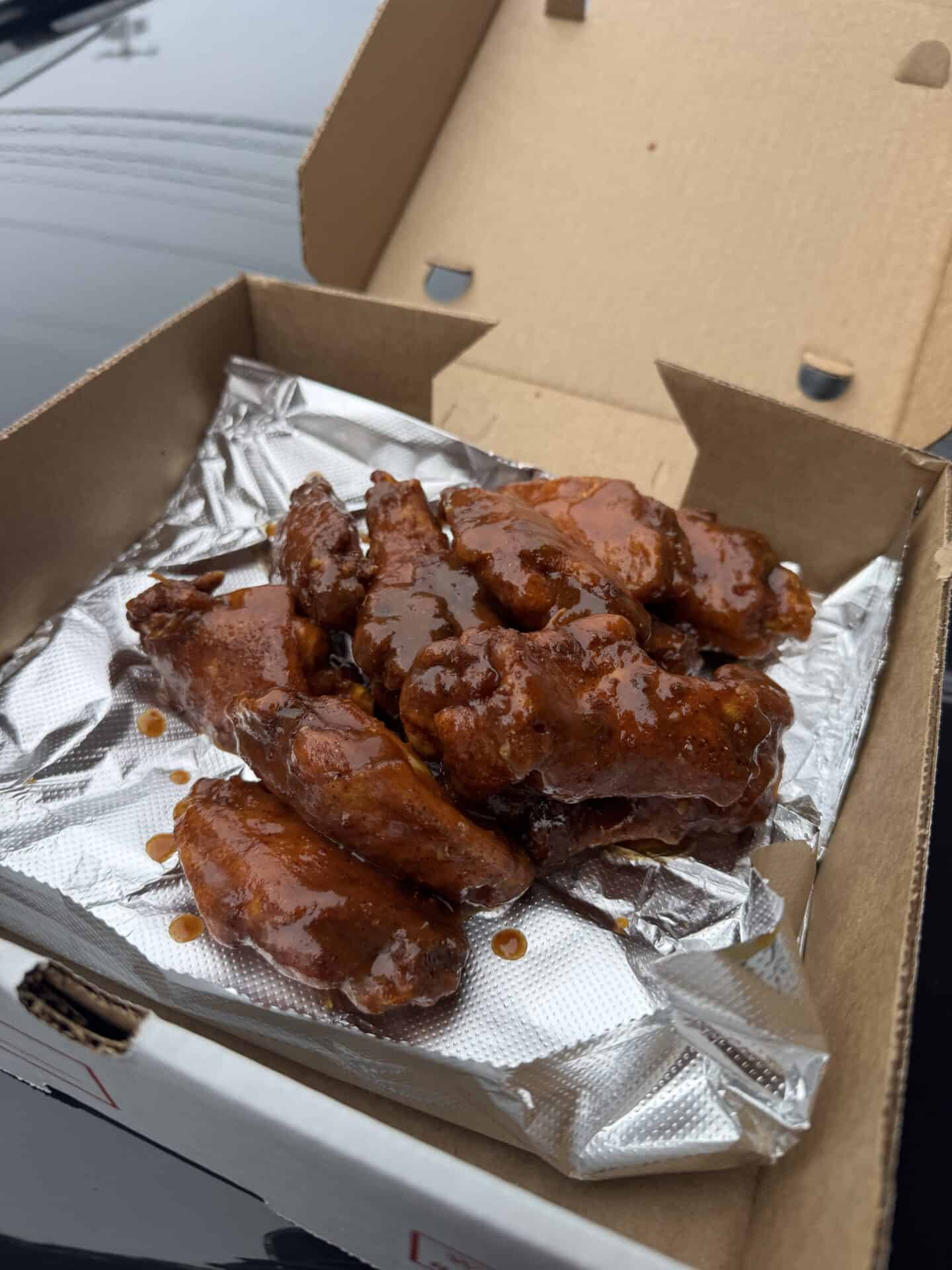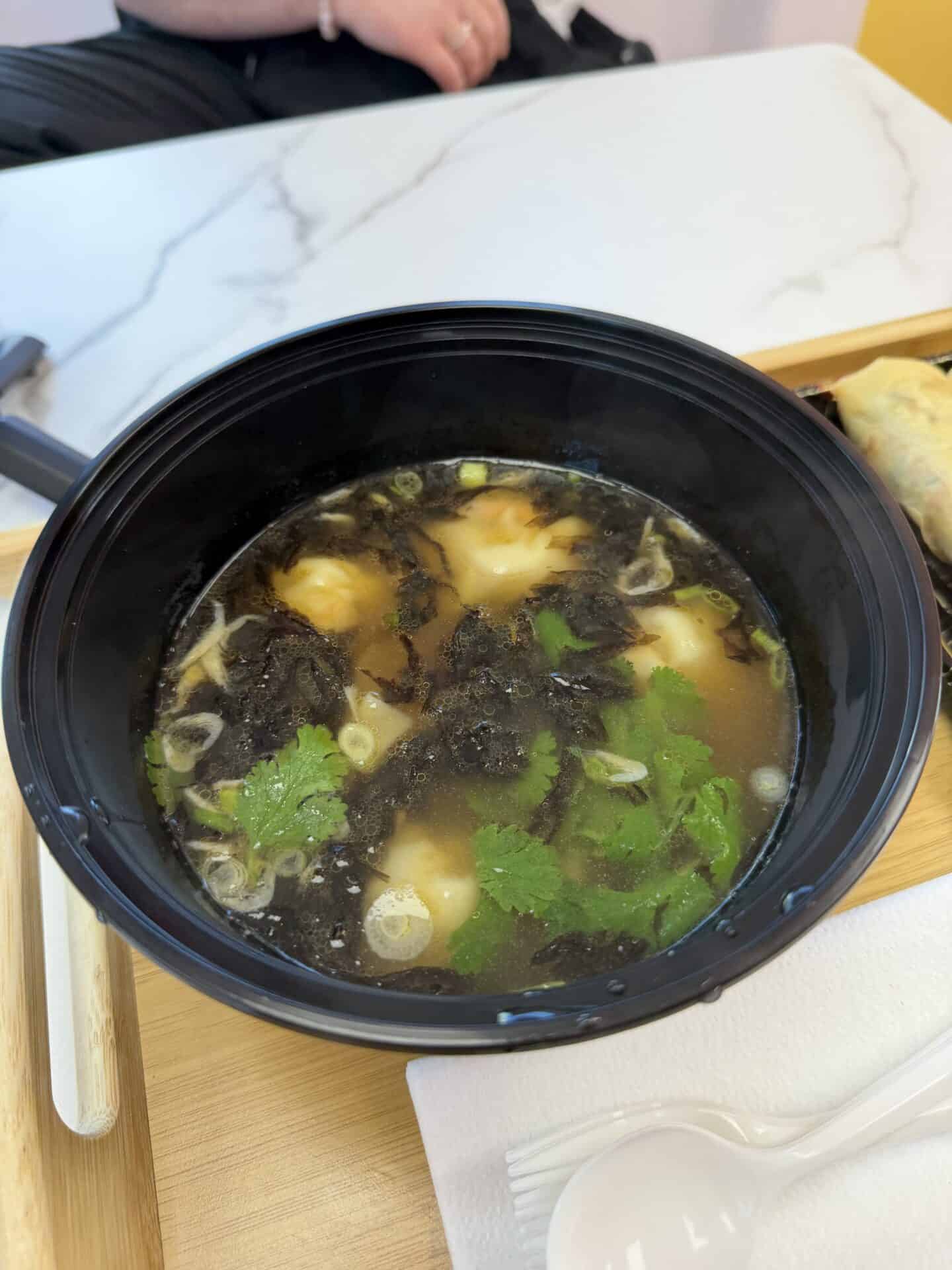
When I started working with restaurants, the bar for social media was underground. A typical post was just a photo of a handwritten specials board, or worse, the specials typed out as plain text. Everyone was shooting on iPhones and calling it content. It was lazy. But to be fair, the food media world was just starting to take off, and Syracuse has always been about a decade behind on trends. So nobody was hiring food photographers or thinking strategically about their content. They were just posting to post.
I thought we’d moved past that. We haven’t.
Today, a growing number of restaurant owners are returning to that same lazy energy — except now, instead of a blurry iPhone photo of a chalkboard, they’re using artificial intelligence. And in a lot of ways, it’s worse.
I’ll be upfront: I use AI every day. Graphic design, spellcheck, coding help for our website — it’s baked into how I work. It’s made me faster and more efficient. It’s also made me lazier and, if I’m being honest, a little dumber. I used to proofread everything twice. Now I let the machine catch my typos because I know it will. That’s what AI does — it lowers the bar for effort, and we let it, because it’s easy.
The problem is that for restaurant owners who are already stretched thin and don’t have a marketing background, AI doesn’t just lower the bar — it removes it entirely.
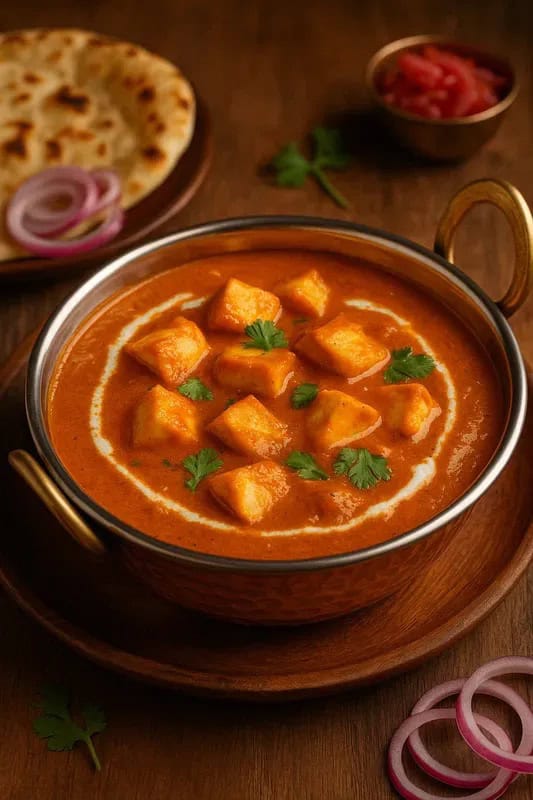
Here’s what I see constantly: a restaurant owner opens ChatGPT, types something like “make me a graphic for my two-for-one cheeseburger special,” and posts whatever comes back first. No iteration. No refinement. Just straight to the feed. And the result is always the same — some glowing, hyper-stylized image of a cheeseburger that looks absolutely nothing like what’s actually on their menu. Perfect lighting. Dramatic shadows. Script fonts. It looks almost real, but something is just slightly off. Like a stock photo that went through a fever dream.
And here’s the thing that kills me — they all look the same. Every single one of them. So while these restaurant owners think they’re promoting their business, what they’re actually doing is blending in with every other restaurant doing the exact same thing. You’re supposed to be standing out from your competition. Instead, you’re indistinguishable from them.
But the AI graphics aren’t even the worst of it.
Some restaurants have gotten bold enough to use AI-generated images of food and pass them off as photos of their actual menu items. I’ve seen it with burgers, pasta, soups — fully fake images presented as if that’s what’s coming out of their kitchen. Now look, fast food chains have been doing a version of this for decades. You’ve seen the burger on the menu board versus the burger in the bag. We all know that game. But there’s something that feels more manipulative when a local independent restaurant does it. People choose local because they want something real. Posting a fabricated image of your food is the opposite of real.
And now AI is being used to fabricate something else entirely — credibility. Recently, a video clip of comedian Tom Segura talking about how much he loves the restaurant Red in Rochester started making the rounds on social media. It got shared thousands of times. My DMs were full of people asking if I’d seen it or been there. But then I started hearing from people who were convinced the video was AI-generated — that Tom Segura never actually said any of it. I don’t believe that’s true. You can usually tell when a video is AI and that one doesn’t read that way to me. But the fact that people’s minds immediately went there tells you everything about where we are right now.
Here’s the thing — I’m not just pointing fingers at restaurant owners. I understand exactly why this happens. Most people who open restaurants aren’t marketers. They’re cooks, or dreamers, or people who just had a great idea and ran with it. Very few of them went to business school and then spent a year studying the restaurant industry before opening their doors. And marketing is almost never the reason someone opens a restaurant. It’s also one of the most important reasons restaurants fail.
So when a restaurant owner who is already juggling a staff, a kitchen, a lease, and a thousand other problems realizes they also need to be producing content every week — of course they’re going to look for the easiest possible solution. Of course they’re going to find ChatGPT and think they’ve solved the problem. They don’t know any better.
But here’s what I want those restaurant owners to hear: your food is good. Your restaurant has a story. Show people that. Put your phone up, take a real photo of your best dish, and post it. It doesn’t have to be perfect. It just has to be real. People can smell fake from a mile away — and AI graphics are about as fake as it gets. Every AI-generated image you post is quietly telling your customers that you don’t care enough to show them what you actually made. And in this business, that’s the kind of message that’s very hard to take back.